IJR News — today's news from every sideJared Kim This move feels like Hyundai is narrowing focus after years of expanding into non-core units. Jared Kim HD Hyundai deserves credit for finishing this series on time amid global supply issues. 2027 Hyundai Ioniq 5 Starts at $35,250 with Up to 318-Mile Range — Sep 19, 2026The 2027 Hyundai IONIQ 9 debuts with 6–7 seats and multiple trims, starting at $64,999 and facing a rival in the 2027 BMW X1, which has a lower starting price and mixed ratings in the comparison. The 2027 Hyundai Ioniq 5 returns as a carryover model with modest US price increases across trims (SE, SEL, Limited, XRT, and N) and up to 318 miles of range, with pricing starting in the mid-$30,000s, while buyers are advised to carefully check trims to avoid paying for features they don’t want.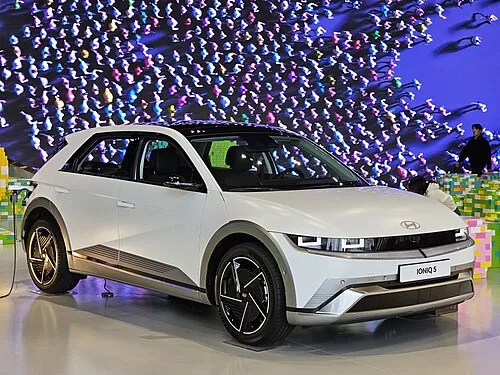
Maya Lindstrom The Ioniq 5 range is solid for the money but those small price bumps add up if you want the higher trims.Nicole Hardy Hyundai should focus on steady progress rather than rushing the company to market by 2029 or 2030. Tom Gallagher Their focus on safety validation before wider rollout is the right priority even if it means lagging Tesla on timelines. Hyundai reaches tentative wage deal amid widespread strikes — Aug 24, 2026Hyundai Motor’s union reached a tentative wage and contract agreement after roughly 60 hours of strikes, with ratification set for August 31 and concessions including a 100,000 won base pay rise and a performance-related bonus, while key issues like regular bonuses, retirement age, and staffing were still being negotiated for future rounds. Across Hyundai’s group, talks resumed amid a first full-day strike in a decade involving about 40,000 workers, broader wage-demand pressures, and separate mediation failures at HD Hyundai Heavy Industries that have granted the union the right to strike, signaling ongoing labor tension within the automaker’s ecosystem.
2026 SUV and sports car rivals split on price, power and space — Sep 4, 2026Across five car comparisons, buyers weigh not just performance and price but features like large touchscreens, standard wireless tech, and warranties; they also consider differences such as roof-removal in convertibles, data-driven ratings, and ownership costs when choosing between rivals like Honda vs Hyundai, Mazda MX-5 RF vs Subaru BRZ, Subaru vs Toyota, Jeep vs Lincoln, and Ford vs Toyota. The articles collectively emphasize how packaging, tech, and total cost of ownership—not just headline horsepower or price—shape the final choice.