IJR News — today's news from every side
+5 Marcus Bell Families back home are probably desperate for any update on whether these 56 are even in the affected areas.+12 Chris Dalton Developed countries owe Nepal real funding to prepare for more of these floods instead of just listening to speeches at the UN.
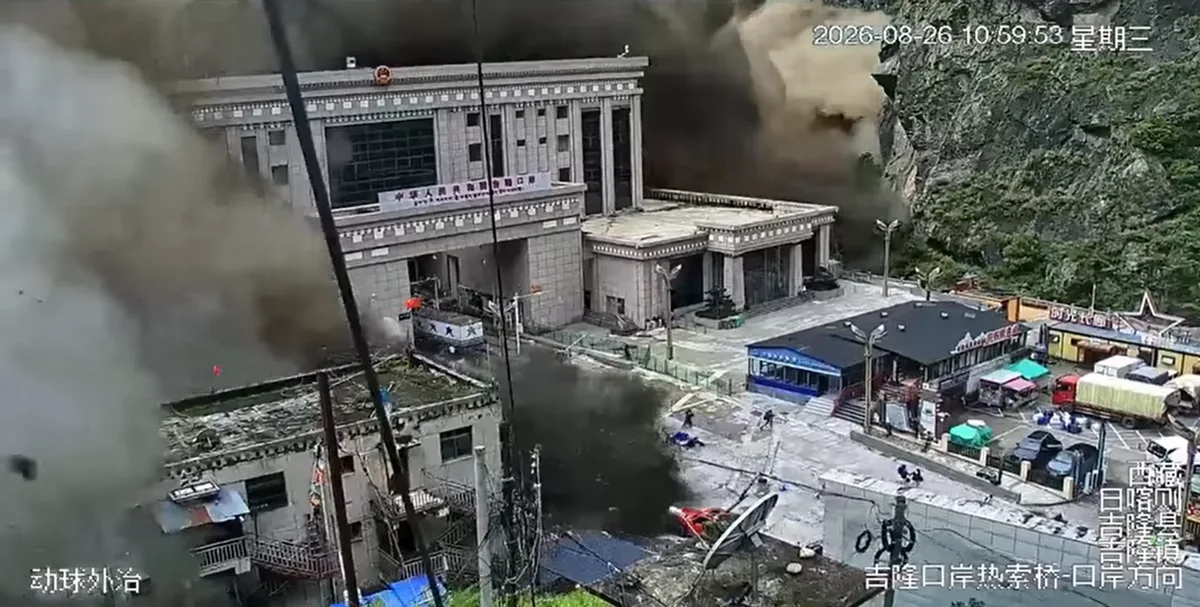
+3 Priya Raman Twelve million people hit in one month means crop damage will push up food prices for everyone this winter.Glacier collapse floods Nepal valleys killing 1,357 and spurring aid Environment — Sep 8, 2026 A glacier-induced flash flood on August 26, 2026 triggered devastating floods in the Nepal–China border area, killing thousands, leaving many missing, and displacing tens of thousands. Relief efforts span faith groups, governments, and corporations, including a U.S. church appeal, Vietnam’s Buddhist Sangha fundraising drive, Sony’s donation, and Chinese military medical and psychological support for rescuers and affected communities. +19 +5 Marcus Bell A banner is fine but I hope clubs also donate money to rescue and rebuilding efforts, that would mean more than symbolism.+2 Marcus Bell Blaming climate change is easy but deforestation and unplanned construction in flood-prone areas made this worse too. Multiple factors at play here.Nepal Glacier Floods Kill Over 1,200; Thousands Missing World — Aug 30, 2026 The August 2026 Rasuwa flash floods in Nepal, likely linked to a Tibetan ice avalanche, have caused widespread damage across central Nepal with bridges washed away, thousands displaced, and deaths and missing persons, while water from the Himalayas continues to flow into India and affect multiple districts. Verification shows a viral flood video purported to be from Nepal’s Rasuwa actually originates from Arunachal Pradesh, and authorities, including WHO, are coordinating health emergency responses and ongoing relief efforts as the situation evolves. +143 +3 Tom Gallagher Climate change is making these monsoon floods so much more destructive. Nepal and this region need serious international investment in early warning systems before the next disaster hits.