




Mangione arrest video shows policing and evidence still work
Unsealed Altoona bodycam captures the McDonald’s stop, the fake ID, and the station recoveries now headed toward a December federal sentencing and a pending state murder fight.
IJR · Oct 2, 2026 · 4 min read
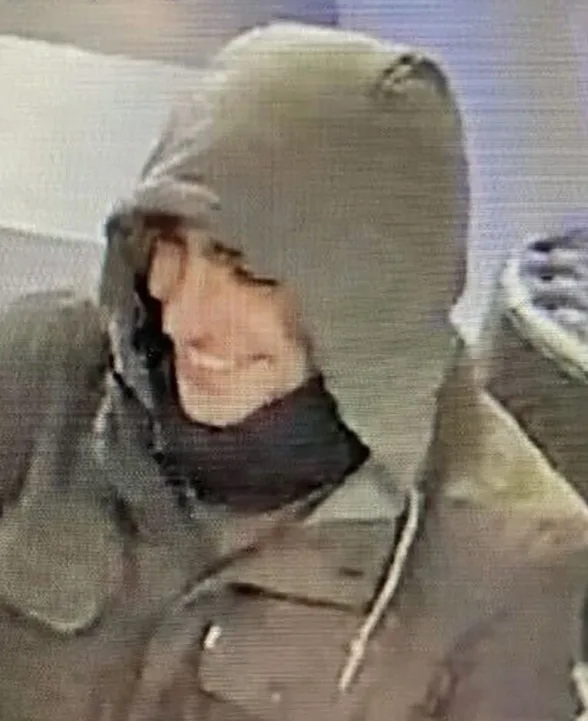
Inside an Altoona McDonald’s on the morning of Dec. 9, 2024, officers asked Luigi Mangione to pull down his mask. “Yeah, sure,” he said. Outside the restaurant an officer declared, “That’s 100% him.” Another answered, “I told you, man.”
Five days earlier, UnitedHealthcare CEO Brian Thompson had been shot dead on a Manhattan sidewalk. The newly unsealed body-camera recordings, worn by eight Altoona police officers, capture the Pennsylvania confrontation that ended the manhunt and produced the physical evidence prosecutors have tied to the killing.
Mangione sat eating a hash brown and a McMuffin while holiday music played overhead. He asked, “Can I ask why there are so many cops here?” When officers pressed him on a fake driver’s license bearing the name Mark Rosario—the same name prosecutors say was used to check into a New York City hostel before the shooting—he first answered, “Uh, no, sir.” He later gave his real name. Asked why he had lied, he said, “Clearly I shouldn’t have.”
Officer Christy Wasser then pulled a gun magazine wrapped in underwear from his backpack. A nearby officer reacted at once: “It’s f–king him dude. It’s f–king him. 100 percent.” Mangione was handcuffed at the restaurant and taken to the station. There, officers recovered a handgun prosecutors identify as the alleged murder weapon, a suppressor, a second magazine, a Faraday bag containing a cellphone, and a handwritten notebook and checklist that prosecutors have called a manifesto. The newly released station video also shows Mangione being strip-searched, footage not previously seen outside court.
Fox News summarized the material under the headline “Officers search Luigi Mangione’s backpack after arrest.” The recordings had already been played, in part, at a suppression hearing last December. Eight Altoona officers traveled to New York to testify. Officer Joseph Detwiler was among those who described the McDonald’s encounter. Defense lawyers argued the backpack search was improper. Judge Gregory Carro excluded the magazine found inside the restaurant but allowed the station-recovered evidence—the firearm, the second magazine, and the handwritten notes—for use at trial. He kept the videos under seal until news organizations sought their release after Mangione’s federal guilty plea.
On Aug. 14, at his federal plea hearing, Mangione admitted the core act in open court: “I shot Mr. Thompson in Manhattan, and he died.” He pleaded guilty to two federal stalking charges resulting in death. Federal sentencing is set for Dec. 18. Guidelines call for 24 to 30 years. Prosecutors are seeking life.
After that plea, the defense filed a double jeopardy and due process motion asking the state court to dismiss New York’s murder and related charges. In the motion practice described in coverage of the filing, counsel cast Mangione as caught between parallel prosecutions and argued that the state case would punish him twice for the same conduct. Judge Carro has not ruled. The state trial, once set for Sept. 8, was postponed so prosecutors could answer the motion. The parties are due back in state court in December.
The defense position is straightforward on its own terms: a federal conviction for stalking resulting in death should bar a separate state homicide prosecution arising from the same shooting. The constitutional answer, settled for generations, is the dual-sovereignty doctrine. The federal government and a state are separate sovereigns. Each may enforce its own criminal laws against the same acts without violating the Double Jeopardy Clause, which restrains repeated prosecution by the same sovereign. Congress and the New York Legislature each defined offenses; Mangione’s federal admission does not erase the state’s independent interest in a murder on a Manhattan street. Judge Carro’s earlier evidence rulings already separated what the Constitution requires of a search from what a jury may later hear. The magazine found at the McDonald’s stays out. The handgun, suppressor-related recovery, second magazine, and notebook found at the station remain in. That is how suppression practice is supposed to work—specific, item-by-item, under the Fourth Amendment, not a wholesale discard of a case because officers moved from a to a station house.
The footage also shows something simpler that ordinary Americans rarely see in full. Local officers in a mid-sized Pennsylvania city, working from recognition and a fake ID, stopped a man who had crossed state lines after a targeted killing of a corporate executive. They wore cameras. They asked questions on video. They searched, documented, and transported. A New York judge later sorted the lawful from the excludable. Federal prosecutors obtained a plea that includes an on-the-record confession to the shooting. None of that is ideology. It is the sequence the record now makes public.