1967–1977
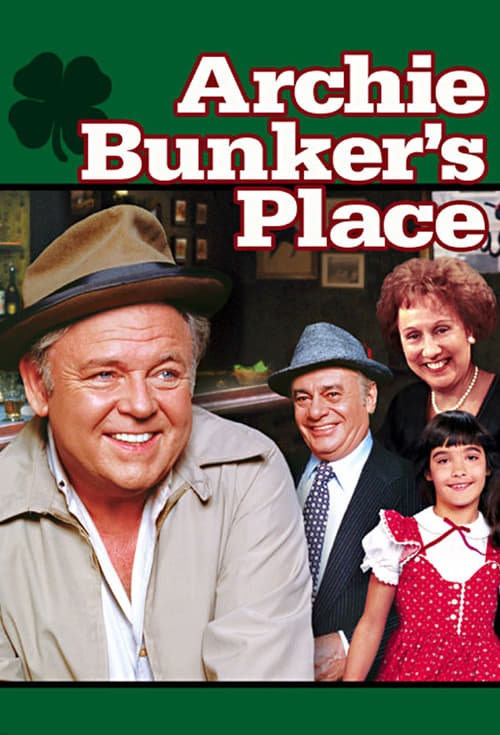
Starting out as a comedy writer, then a film director (he wrote and produced the 1967 film Divorce American Style and directed the 1971 film Cold Turkey, both starring Dick Van Dyke), Lear tried to sell a concept for a sitcom about a blue-collar American family to ABC. They rejected the show after two pilots were taped: Justice for All in 1968 and Those Were the Days in 1969. After a third pilot was taped, CBS picked up the show, known as All in the Family. It premiered on January 12, 1971, to disappointing ratings, but it took home several Emmy Awards that year, including Outstanding Comedy Series. The show did very well in summer reruns, and it flourished in the 1971–72 season, becoming the top-rated show on TV for the next five years. After falling from the No. 1 spot, All in the Family still remained in the top ten, with the exception of the 1976-1977 television season where it ranked No. 12, and eventually became Archie Bunker's Place. The show was based loosely on the British sitcom Till Death Us Do Part, about an irascible working-class Tory and his socialist son-in-law.
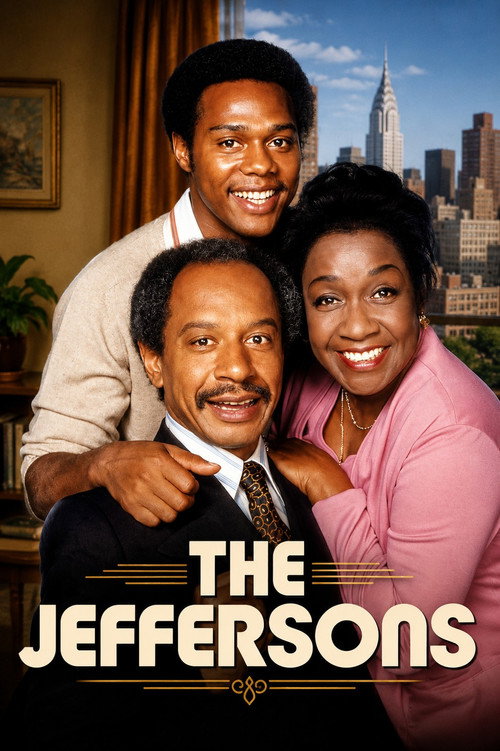
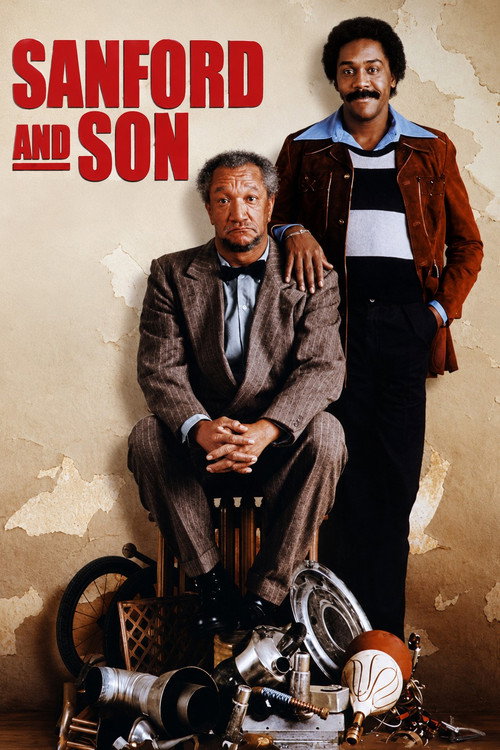
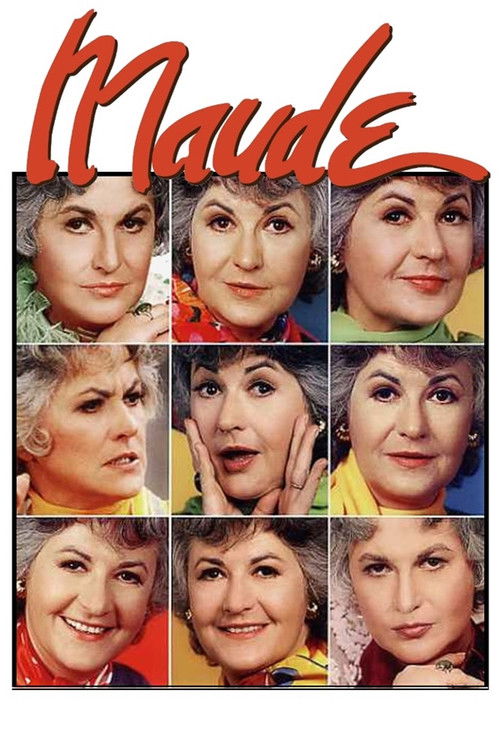
Lear's second big TV sitcom, Sanford and Son, was also based on a British sitcom, Steptoe and Son, about a west London junk dealer and his son. Lear changed the setting to the Watts section of Los Angeles and the characters to African Americans, and the NBC show Sanford and Son was an instant hit. Numerous hit shows followed thereafter, including Maude, The Jeffersons (both spin-offs of All in the Family), One Day at a Time, and Good Times (which is a spinoff of Maude).
Most of these Lear sitcoms share three features: they were shot on videotape in place of film, used a live studio audience, and dealt with current social and political issues. Maude is generally considered to be based on Lear's wife Frances, which she confirmed, with Charlie Hauck serving as main producer and writer.
Lear's longtime producing partner was Bud Yorkin, who also produced All in the Family, Sanford and Son, What's Happening!!, Maude, and The Jeffersons. Yorkin split with Lear in 1975. He started a production company with writers and producers Saul Turteltaub and Bernie Orenstein; however, only two of their shows lasted longer than a year: What's Happening!! and Carter Country. The Lear/Yorkin company was known as Tandem Productions and was founded in 1958. Lear and talent agent Jerry Perenchio founded T.A.T. Communications ("T.A.T." stood for the Yiddish phrase tuchus affen tisch, "putting one's ass on the line") in 1974, which co-existed with Tandem Productions and was often referred to in periodicals as Tandem/T.A.T. The Lear organization was one of the most successful independent TV producers of the 1970s. TAT produced the influential and award-winning 1981 film The Wave about Ron Jones' social experiment.
Lear also developed the cult favorite TV series Mary Hartman, Mary Hartman (MH MH) which was turned down by the networks as "too controversial" and placed it into first run syndication with 128 stations in January 1976. A year later, he added another program into first-run syndication along with MH MH, All That Glitters. He planned in 1977 to offer three hours of prime-time Saturday programming directly having stations place his production company in the position of an occasional network.
In 1977, African-American screenwriter Eric Monte filed a lawsuit accusing ABC and CBS producers Norman Lear, Bud Yorkin, and others of stealing his ideas for Good Times, The Jeffersons, and What's Happening!! Monte received a $1-million settlement and a small percentage of the residuals from Good Times and one percent ownership of the show. Monte, due to his lack of business knowledge and experience as well as legal representation, would not receive royalties for other shows that he created. However, Lear and other Hollywood producers, outraged over the lawsuit, reportedly blacklisted Monte and labeled him too difficult to work with.