Critical reception
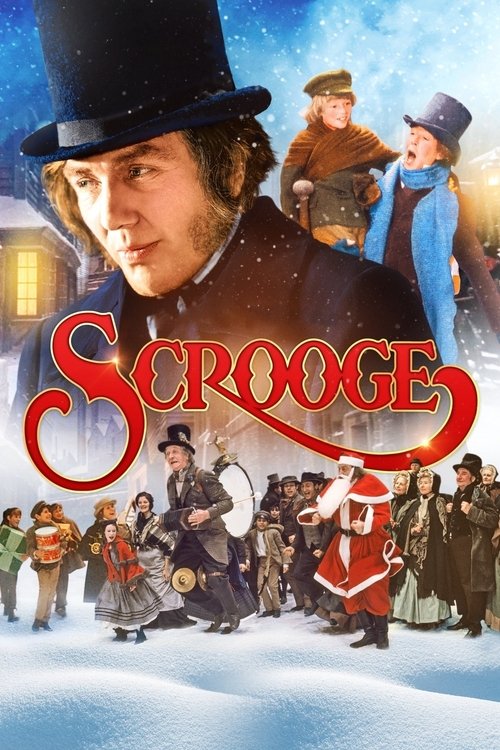
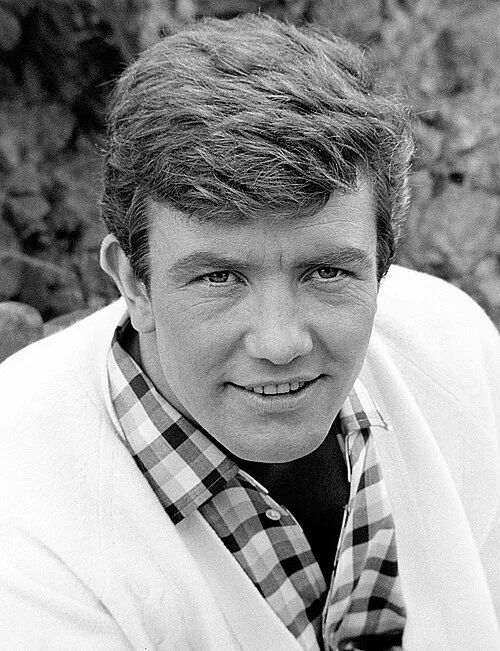
Gene Siskel of The Chicago Tribune awarded the film three-and-a-half stars out of four and praised Finney's "masterful performance". Arthur D. Murphy for Variety called Scrooge "a most delightful film in every way" and praised Finney as "remarkable". He also complimented Bricusse's "unobtrusive complementary music and lyrics; and Ronald Neame's delicately controlled direction which conveys, but does not force, all the inherent warmth, humor and sentimentality." Charles Champlin of the Los Angeles Times applauded Scrooge as a "lovely movie, one of the few genuinely family-wide attractions of the whole year, calculated to please equally all those who have loved the Dickens work forever, and all those enviable youngsters who are about to discover it for the first time."
Roger Ebert of the Chicago Sun-Times gave the film three stars out of four, feeling it "works very nicely on its intended level and the kids sitting near me seemed to be having a good time." However, he criticized Bricusse's songs, writing that they "fall so far below the level of good musical comedy that you wish Albert Finney would stop singing them, until you realize he isn't really singing." Reviewing for the New York Daily News, Ann Guarino wrote Scrooge was "bright with humor and moves along at a lively pace in 19th Century settings." She further praised the cast as "excellent," but described Bricusse's songs as being "pleasant, but unfortunately forgettable with the exception of 'Thank You Very Much'". Vincent Canby of The New York Times called Finney's performance "absurd, sentimental, pretty, never quite as funny as it intends to be, but quite acceptable, if only as a seasonal ritual." Overall, Canby felt the adaptation was "surprisingly faithful", and he complimented Ronald Neame for directing "the movie with all of the delicacy possible after a small story has been turned into a comparatively large, conventional musical. The settings—London streets and interiors, circa 1860 (updated from the original 1843)—are very attractive, somewhat spruced-up variations on the original John Leech illustrations."
Pauline Kael of The New Yorker found Scrooge to be an "innocuous musical version of A Christmas Carol, starring Albert Finney looking glum. The Leslie Bricusse music is so forgettable that your mind flushes it away while you're hearing it." Jay Cocks of Time magazine derided Finney's performance as "drastically disappointing. [He] grumbles and hobbles through his part, employing mannerism instead of nuance." Cocks was also critical of Bricusse's songs, and summarized the film as "a high-budget holiday spectacular, a musical extracted from Dickens' A Christmas Carol that turns out to be a curdled cup of holiday cheer [...] First frame to last, Scrooge is a mechanical movie made with indifference to every quality but the box office receipts."
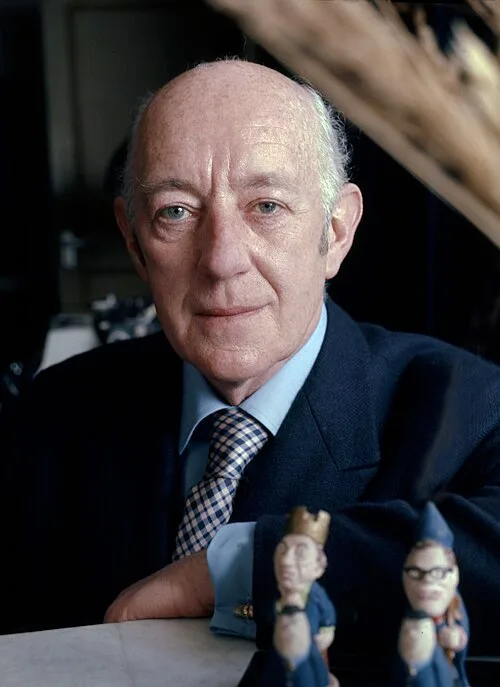
Among retrospective reviews, James Berardinelli of ReelViews called Scrooge "a harmless, fitfully enjoyable version of the timeless classic". He felt Finney belonged "somewhere in the middle of the pack with this hammy, albeit enjoyable, portrayal", but nevertheless felt Alec Guinness gave a "standout performance". Derek Winnert noted that the "lame script but thoughtful handling produce an upmarket, good-looking film that impresses without exciting greatly." Author Fred Guida called it one of the most underrated adaptions of the book.
On the review aggregator website Rotten Tomatoes, 74% of 19 critics' reviews are positive. Metacritic, which uses a weighted average, assigned the film a score of 58 out of 100, based on 8 critics, indicating "mixed or average" reviews.